One-Arm Reverse Fly
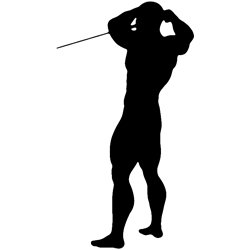
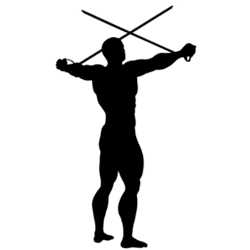
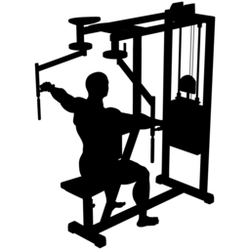
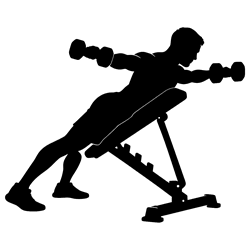
Standing side-on to a shoulder-height pulley, you sweep a single handle from across your body out to the side in a wide arc, isolating one rear delt at a time.
- Primary muscles
- Rear delts
- Difficulty
- Beginner
- Logged as
- Weight × reps
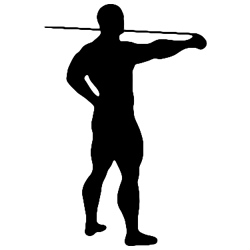
Loads from YouTube only when you press play. The video is by an independent creator.
Why do it
Working one side at a time helps you focus on a small muscle that's hard to feel in two-arm versions, and the cable keeps tension through the whole arc. Starting with your arm across your body also gives the rear delt a longer stretch than most dumbbell versions. It's a good pick if one shoulder lags behind the other, or if you'd rather not hold a bent-over hinge, since you stand upright the whole time.
How to do it
Set a pulley to shoulder height and attach a single handle.
Stand side-on and take the handle with the arm furthest from the machine so the cable crosses in front of you, arm extended across your body.
With a slight bend in your elbow, pull the handle out to your side in a wide arc at shoulder height.
Return slowly across your body. Lead with your elbow and keep your torso still instead of rotating away to gain range.
Common mistakes
Rotating your torso away
Turning your chest away from the machine adds range but takes the rear delt out of it. Keep your hips and shoulders still and let only the arm travel.
Bending the elbow to pull
Leading with the hand tends to bend the elbow and turn the fly into a row. Fix the slight bend and think of moving your elbow out to the side.
Hiking your shoulder up
If your shoulder rises toward your ear as you pull, the traps are taking over. Choose a weight you can move with the shoulder staying down.
Letting the handle snap back
The return across your body is where the stretch happens. Guide the handle back slowly instead of letting the stack pull your arm in.
Sets, reps and progression
How many sets you do and how close to failure you take them depend on your goal and your week, not on the exercise. These guides cover it:
Alternatives that train the same thing
Same movement, a different angle or piece of equipment.