Reverse Fly
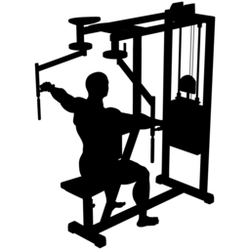
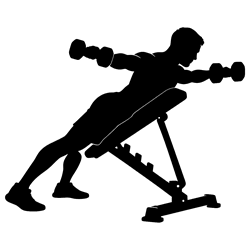
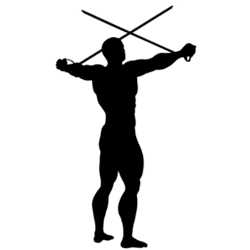
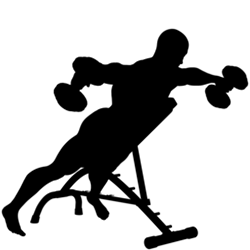
With a slight bend in your elbows, you sweep your arms out and back in a wide arc, either between two crossed cables or bent over with dumbbells, isolating the rear delts.
Equipment
- Primary muscles
- Rear delts
- Difficulty
- Beginner
- Logged as
- Weight × reps
- Primary muscles
- Rear delts
- Secondary
- Upper back
- Difficulty
- Beginner
- Logged as
- Weight × reps
Loads from YouTube only when you press play. The video is by an independent creator.
Why do it
Rear delts get little direct work from presses and many rows, so a dedicated fly helps round out the back of the shoulder. The crossed-cable version lets you stand upright and keeps tension at every point of the arc, including the start. The bent-over dumbbell version needs no machine, but you have to hold a hinge, and the load fades near the bottom, so most of the work happens near the top. Pick cables if you have them and want constant tension; dumbbells work anywhere.
How to do it (Cable)
Set both pulleys to shoulder height or slightly above and attach a single handle to each.
Stand in the middle and grab the handles crossed over, left hand on the right cable and right hand on the left.
With your elbows slightly bent and fixed, pull the handles out and back in a wide arc until your arms form a T.
Return slowly against the resistance. Lead with your elbows and think about pulling your shoulder blades together rather than yanking with your arms.
Stand with your feet hip-width apart, a dumbbell in each hand, palms facing each other.
Hinge forward from the hips with slightly bent knees until your torso is close to parallel with the floor, back flat.
With a slight bend in your elbows, raise the dumbbells out to the sides until they're about level with your shoulders.
Lower them slowly. Lead with your elbows and use light weight; the rear delts are small and easy to overpower with your traps.
Common mistakes
Rowing instead of flying
Bending and straightening your elbows during the rep turns it into a row. Lock in a slight bend and lead with your elbows, moving only at the shoulder.
Letting your traps take over
If your shoulders rise toward your ears, the traps are lifting. Keep your neck long and use a weight light enough to finish each rep without shrugging.
Standing up out of the hinge
With dumbbells, a rising torso means the weights move up rather than back, and the rear delts do less. Keep your chest close to parallel with the floor.
Holding the cables uncrossed
Take the left handle in your right hand and the right in your left, so the cables cross in front of you. Uncrossed, the pull starts with almost no tension.
Sets, reps and progression
How many sets you do and how close to failure you take them depend on your goal and your week, not on the exercise. These guides cover it:
Alternatives that train the same thing
Same movement, a different angle or piece of equipment.