Rear Delt Row
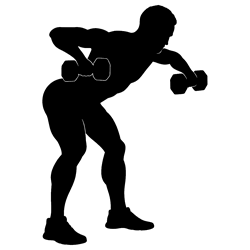
Hinged forward with a dumbbell in each hand, you row your elbows up and out wide until your upper arms reach shoulder level, working the rear delts and upper back.
- Primary muscles
- Rear delts
- Secondary
- Upper back, Biceps
- Difficulty
- Beginner
- Logged as
- Weight × reps
Loads from YouTube only when you press play. The video is by an independent creator.
Why do it
It's a row in shape but a rear delt exercise in effect: flaring the elbows wide takes the lats largely out of it. Because your arms bend, you can usually handle more weight than in a straight-arm reverse fly, and the biceps help a little. That makes it a good choice when flyes feel too light to load or you want a heavier option for the back of the shoulders. Keep it strict, because it slides back into a regular row very easily.
How to do it
Hinge forward with a flat back and hold a dumbbell in each hand, palms facing back.
Row the dumbbells up and out with your elbows flared to about 90 degrees from your torso.
Stop when your upper arms are level with your shoulders and squeeze your rear delts.
Lower under control. The wide elbow path is what shifts the work from the lats to the rear delts.
Common mistakes
Tucking your elbows in
Elbows close to your sides turn it into a regular row for the lats. Keep them flared wide, roughly perpendicular to your torso, for the whole set.
Rowing past shoulder level
Pulling higher than your shoulders hands the work to your traps. Stop when your upper arms line up with your shoulders and squeeze there.
Standing up as you tire
When your torso drifts upright, the pull changes direction and the rear delts lose out. Hold the hinge with a flat back, or rest your chest on an incline bench.
Yanking with a hip pop
Jerking the dumbbells up with your hips moves weight but not your rear delts. Pause briefly at the top; if you can't, go lighter.
Sets, reps and progression
How many sets you do and how close to failure you take them depend on your goal and your week, not on the exercise. These guides cover it:
Alternatives that train the same thing
Same movement, a different angle or piece of equipment.