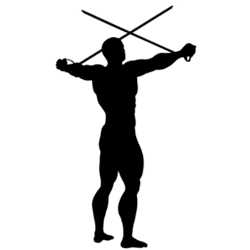
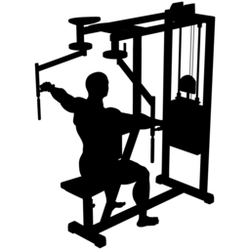
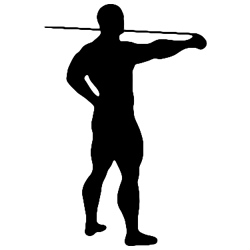
Y Raise
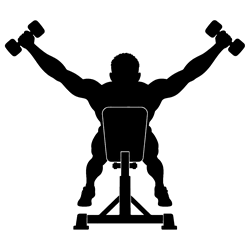
Thumbs leading, you raise your arms up and out at an angle until they form a Y, working the rear delts along with the traps and upper back that control your shoulder blades.
Equipment
- Primary muscles
- Rear delts
- Secondary
- Traps, Upper back
- Difficulty
- Beginner
- Logged as
- Weight × reps
- Primary muscles
- Rear delts
- Secondary
- Traps, Upper back
- Difficulty
- Beginner
- Logged as
- Weight × reps
Loads from YouTube only when you press play. The video is by an independent creator.
Why do it
The Y raise is a light, precise exercise for the back of the shoulder and the lower traps, which help control your shoulder blades as your arms go overhead. It's popular as a warm-up before pressing or as a few light sets at the end of a session. Lying face down on an incline bench with dumbbells removes any body swing; the crossed-cable version keeps tension through the whole arc and lets you train standing. Either way, the load stays small.
How to do it (Cable)
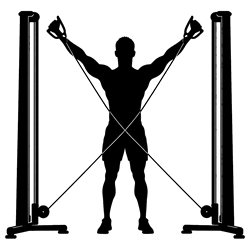
Set two pulleys low, cross the cables and grab the left handle with your right hand and the right handle with your left.
Stand tall with your arms down and slightly in front of you.
Raise your arms up and out at about 45 degrees until they form a Y overhead, thumbs leading.
Lower slowly back to the start. Keep your shoulders down and avoid shrugging as the arms rise.
Lie face down on an incline bench with a light dumbbell in each hand hanging below your shoulders, thumbs up.
Raise your arms up and out at about 45 degrees so they form a Y with your body.
Squeeze your lower traps and rear delts at the top for a moment.
Lower slowly back to the start. Go very light; this is about the small muscles around the shoulder blades, not the load.
Common mistakes
Hiking your shoulders toward your ears
The point is to raise your arms while your shoulder blades stay down. If your shoulders hike up as the arms rise, lower the weight until you can keep them down.
Loading it like a lateral raise
The Y angle is weak by design, and even light dumbbells feel heavy at the top. Start with the lightest pair or cable setting and add weight only when you can pause up there.
Raising the arms out too wide
Straight out to the sides, it turns into a T and loses the lower trap work. Keep your arms about halfway between straight out and straight up.
Leaning back to get higher
Standing at the cables, it's tempting to lean back so the arms go further. Keep your ribs down and stop where your arms can go without your spine helping.
Sets, reps and progression
How many sets you do and how close to failure you take them depend on your goal and your week, not on the exercise. These guides cover it:
Alternatives that train the same thing
Same movement, a different angle or piece of equipment.